(1 votes, average: 5.00 out of 5)
 Loading...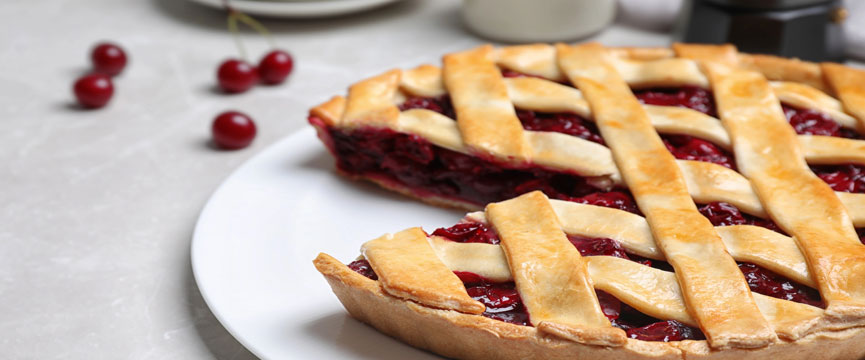
 Professional pastry making is constantly evolving to meet the demands of consumers who seek more attractive presentations, authentic flavors, and high-quality products. In this context, fruit in syrup for baking has become an essential ingredient for bakeries, workshops, hotels, restaurants, catering companies, and all types of businesses in the Horeca sector. These fruits offer the same juiciness and sweetness as fresh fruit, but with consistent quality 365 days a year.
At Lazaya, we have been supporting professionals for many years who are looking for high quality fruit in syrup, ready to use. Stay with us if you want to learn how bakers use this ingredient to stand out from the competition.
Table of Contents
Why have fruits in syrup become a staple ingredient in baking?
The answer to this question is very simple. Fruit in syrup is so widely used in baking because it solves both a quality and a logistical problem.
The use of fruit preserved in this sweet liquid is not new, but its evolution and technical refinement have transformed it into a premium product. It offers many advantages over fresh fruit, especially in demanding production environments:
Texture, sweetness and color
The syrup preservation process maintains the fruit’s firmness, prevents oxidation, and provides a consistent level of sweetness in each piece. This is crucial in pastry making, where an uneven texture or dull color can ruin the finish of a cake or tasting dish.
Saving time and reducing waste in the kitchen
A peach, a pear, or a cherry in syrup arrives peeled, pitted, and sized. There are no losses due to spoiled fruit, no time wasted peeling and cutting, and the cost per serving is predictable month after month. For any purchasing manager in a Horeca business, this translates directly into profitability.
Other aspects to consider regarding fruits in syrup:
- Guaranteed availability all year round: Regardless of the season, you can count on cherries, oranges, apples or pears at the exact point of ripeness and sweetness.
- Consistency and standardization: For a hotel chain, a catering service, or a large pastry shop, it is essential that a dessert tastes and looks the same in January as it does in August.
Most common professional applications of fruits in syrup in pastry making
Fruits in syrup are used in almost every stage of baking, from filling to the final finish. Let’s look at some examples:
Fillings for tarts, cakes and pastries
One of its most popular applications is incorporating fruit into baked goods or semifreddos. The fruit’s firm yet tender texture withstands baking perfectly without falling apart or releasing excess water that could ruin the crumb.
Classics like cherry cake, Tatin tart or Swiss rolls filled with peach chunks are sure bets. The syrup itself can be used to soak the cakes, providing extra moisture and an intense fruity flavor that extends the shelf life of the dough by preventing it from drying out.
Peaches, apples, and cherries in syrup are a classic in all kinds of filled cakes and fruit tarts. Their controlled moisture level prevents them from making the pastry too soggy, something that can happen with fresh fruit that isn’t properly drained.
Decoration and glossy finishes
In a pastry shop’s display case, visual appeal is the first and strongest selling point. Fruits bring a natural shine and spectacular color; for example, the iconic maraschino or amarena cherries crowning a Black Forest cake, or the elegant orange slices decorating the surface of a ring-shaped cake, a plum cake, or a tart.
Maraschino cherries and sour cherries remain irreplaceable as a visual attraction on individual cakes, cupcakes, artisanal ice creams, and other desserts. Their natural shine, enhanced with a light glaze, provides that masterful touch that always delights the customer.
Artisanal ice cream and cold desserts
The ice cream industry benefits enormously from fruits in syrup. Because they are saturated with sugar, their freezing point is lowered. This means that when incorporated into ice cream, the fruits don’t turn into hard ice crystals that ruin the experience, but instead maintain a chewy, tender, and pleasant texture. They are perfect for swirls, ice cream bonbons, cassatas and sorbets, adding flavorful chunks.
In addition, fruits in syrup are used as a topping for:
- Artisan ice cream.
- Sundaes.
- Waffles.
- Crepes.
- Pancakes.
- Frozen yogurt.
They are also excellent for making coulis, sauces, compotes or side dishes that enrich the customer experience.
Puff pastry and fermented doughs
Neapolitan pastries, Danish pastries, fruit tarts, and ensaimadas take on a new dimension of flavor and texture. Cherry halves, strawberries, or apple cubes arranged on a rich base of custard in freshly baked puff pastry are undoubtedly an irresistible draw for hotel breakfast buffets and specialty coffee shop displays.
Cocktails, brunch and savory applications in Horeca
Many establishments are taking candied fruit beyond classic pastries and using it in cocktails, brunch displays, cheese boards with a sweet contrast, or even as a garnish for meats and foie gras. This versatility multiplies the return on investment for the same product in different areas of the kitchen. The creative possibilities in sweet cooking are endless.
Preparation of individual desserts
Desserts served in glasses, cups, or individual portions are becoming increasingly popular. Fruits in syrup work perfectly in:
- Cheesecake cups.
- Trifles.
- Pavlova.
- Yogurt cups.
- Desserts with crema catalana.
- Chocolate mousse.
- Tiramisu reinterpretations.
Comprehensive use of the product
Fruit in syrup isn’t the only ingredient used in baking. The syrup itself is also used for a variety of purposes by professionals:
- Dipping biscuits.
- Make syrups.
- To flavor cocktails.
- Prepare sweet sauces.
- Create reductions for desserts.
Professionals committed to sustainability never throw away syrup. It’s reduced to make dense candies, gelled to create shiny mirror glazes, or used in signature cocktails to sweeten and flavor drinks that accompany dessert.
Horeca trends: how professionals surprise their customers with fruit in syrup
The food industry is constantly evolving, and customers are becoming increasingly demanding. Currently, restaurants and bars are adopting new trends where fruit in syrup plays a key role.
A fusion of tradition and innovation
The chefs are reviving classic desserts (such as fruit flan, pears poached in wine, or peach melba) using modern, texturizing techniques and minimalist presentations. In these dishes, a single piece of high-quality fruit in syrup takes center stage.
Seasonal products all year round
The current trend favors clean dishes where fruit takes center stage, without excessive cream or topping. With fruit in syrup, a pastry chef can create a seasonal tart in the middle of winter, using peaches or apricots, without being tied to the agricultural calendar.
Bold pairings and contrasts
Many professional pastry chefs are playing with the contrast between the sweetness of syrup and acidic or spicy notes; for example, maraschino cherries with a hint of vanilla or cinnamon, or candied pineapple combined with ginger. It also combines well with salty (salt flakes, aged cheeses) or spicy (pink peppercorns, chili) flavors. A blue cheese tart with cherries or figs is a gourmet experience that’s clearly on the rise.
Customized menus and options for intolerances
As a product with a clear technical data sheet and guaranteed traceability, fruits in syrup make it easy to prepare menus suitable for celiacs, vegans or people with certain restrictions, something increasingly demanded in hotels and restaurants that cater to large groups and all kinds of events.
Some unique creations
We suggest some disruptive ideas for your letter:
- Cold smoked: A rich, dark chocolate tart topped with cherries that have been lightly smoked with applewood under a glass dome. The contrast between the smoke, cocoa, and fruity sweetness will delight customers.
- Deconstructions: Fruits in syrup create spherifications or gels that can accompany a broken sponge cake, a crumble savory or artisanal ice cream, playing with the concept of the classic fruit tart but totally deconstructed.
- Precise pairings: A dessert with candied oranges pairs perfectly with sweet Jerez wines, while dark fruits like cherries or blackberries can perfectly accompany a glass of Port or almond liqueur.
How to choose the best fruits in syrup for professional baking
Not all fruits in syrup on the market perform the same in a professional kitchen. These are the two factors that will make the difference:
Quality of the fruit and syrup
The density of the syrup, the ripeness of the fruit at the time of preservation, and the absence of unnecessary additives determine the final result of the dessert. Low-quality fruit is noticeable in the texture, color, and aftertaste of the syrup.
Formats and weights for the hospitality industry
Professionals need formats adapted to their production volume: large-capacity cans and jugs, intermediate formats for smaller kitchens, and clear technical specifications with drained weight, different Brix levels of the syrup, etc. This allows for more accurate cost calculations per serving and menu planning without surprises.
In general, fruits intended for the professional channel should offer:
- Excellent flavor.
- Firm texture.
- Natural colour.
- Homogeneous size.
- Good stability during handling.
- Optimal preservation.
Working with a specialized supplier ensures greater consistency in all production processes and conveys confidence to the end customer.
Why choose Lazaya’s fruits in syrup?
If you’re aiming for excellence in your business, choosing the right supplier isn’t optional; it’s essential. At Lazaya Preserved Fruits, we are leaders in the manufacture and sale of fruits in syrup, exclusively geared towards the B2B sector.
For certain fruits we have our own plantations (as in the case of cherries), so that we carry out exhaustive continuous quality control —from the tree to the final packaging—, guaranteeing a product that meets (and exceeds) the highest demands of chefs, pastry chefs and ice cream makers.
In our online store you will find a wide and varied catalog of whole fruits (cherries, apples, oranges, kiwi, blackberry and strawberry), in halves, in portions or in cubes, with different brix and calibers, adapted to the specific needs of each professional.
Don’t leave the quality of your creations to chance. Elevate your culinary offerings, save valuable time in the kitchen, and most importantly, delight your customers with top-quality dishes. For any questions, please don’t hesitate to contact us.