(1 votes, average: 5.00 out of 5)
 Loading...
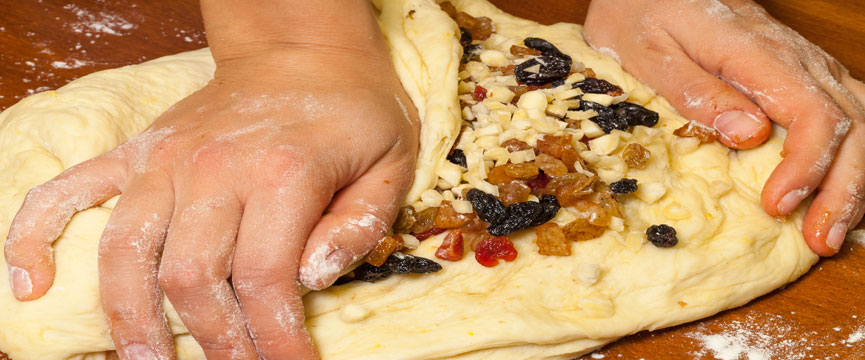
 In artisanal baking, the difference between a decent piece and an unforgettable creation often lies in the details. For example, the moisture balance, the stability of the dough, the consistency of the baking, and, of course, the quality of the ingredients that contribute flavor and character. In this context, candied fruits occupy a key place in workshops that seek a more attractive finish, a more pleasant texture and optimal preservation of the final product.
Working with high-quality candied fruit not only improves the visual appearance of ring-shaped cakes, brioches, panettone, flatbreads, plum cakes, and other specialties, but also helps maintain a tender texture for longer and offers a more stable final product for display and sale. Therefore, choosing the right candied fruit is essential. Candied fruits for bakeries directly impacts profitability and customer satisfaction. Stay with us to make the best decisions when choosing your candied fruit supplier.
Table of Contents
The importance of candied fruit in artisanal baking
Candied fruit is much more than a decorative ingredient. In professional baking, it plays a crucial technical and sensory role, contributing flavor, color, juiciness, and a distinctive texture that enriches the customer’s dining experience. When a professional baker chooses candied fruit prepared with a good balance of fruit, sugar, and candied fruit, the result is far more consistent.
In fermented preparations, for example, well-worked candied fruit withstands kneading and baking better without falling apart or over-drying. In enriched doughs, its sugar content helps maintain the product’s tenderness and extend its shelf life. This is especially important for artisan bakeries that need to maintain product quality for longer without sacrificing excellent presentation.
What problems arise when the candied fruit is not the right kind?
Not all candied fruit reacts the same way in the bakery workshop. When the quality is inconsistent, certain signs appear that undoubtedly affect the final result:
- Pieces that are too dry or fibrous.
- Excess surface moisture.
- Loss of color after baking.
- Moisture migration into the mass.
- Broken or deformed pieces.
- Less stability in exposure.
These problems can affect both the texture of the final product and its shelf life. Therefore, professionals interested in incorporating candied fruit into their products should choose a solution designed for intensive use and consistent results.
Candied fruits for bakeries must meet very specific requirements: uniformity in cut, stability during baking, distinct flavor, good appearance, and optimal shelf life. In a professional setting, standardization is essential to ensure that each batch maintains the same level of quality.
A good supplier allows the bakery to work with confidence, knowing that the candied fruit will retain its properties and integrate perfectly into various recipes. This is essential both during peak production periods, such as Christmas or Easter, and for the regular assortment of artisanal pastries and cakes.
What characteristics do professionals look for in candied fruit?
When a workshop selects candied fruit, it usually considers several aspects:
- Balanced texture: The fruit should be tender, pleasant to bite into, and firm enough to withstand handling and cooking. A balanced texture prevents subsequent hardening and improves the perceived quality of the final product.
- Stable preservation: One of the great benefits of candying is its ability to promote greater stability of the ingredient. If the process is done correctly, the fruit retains its characteristics better and helps keep the product in good condition for longer.
- Uniform sugar infusion: When you cut a piece of candied fruit, the inside should look similar to the outside: translucent and without any white or dry areas. Uneven infusion results in different textures within the same piece.
- Suitable cutting size: Depending on the type of product, candied fruit is used in different formats. For example, small cubes are best for brioches and other fine pastries. Larger pieces of fruit are preferable for ring-shaped cakes, panettone, and fruit breads. An irregular cut makes it difficult to measure and distribute the fruit evenly throughout the dough.
- Ease of use in the workshop: The professional values ??practical formats, homogeneous calibers and a product ready to incorporate into doughs, fillings or decorations without unnecessary waste.
- Attractive appearance: Color and shine remain crucial at the point of sale. A beautifully presented candied fruit enhances the overall presentation and conveys a more artisanal and premium image.
How to improve product preservation
Proper preservation is a priority in any professional bakery. Maintaining organoleptic quality for longer helps optimize production, reduce waste, and improve the end customer’s shopping experience.
Candied fruits contribute to this goal because, thanks to their preparation process, they offer greater stability than other prepared fruits. When properly integrated into the recipe, they help maintain the texture, preserve juiciness, and ensure an attractive presentation. Here are some recommendations to ensure the final product is always in perfect condition to delight the customer:
- Store the product under appropriate conditions, following the supplier’s instructions: The container should be tightly sealed in a cool, dry place away from direct sunlight. Once opened, it must be resealed securely without introducing any damp utensils. It’s also important to rotate stock; that is, the first items in should be the first items out. Of course, always follow the manufacturer’s storage instructions.
- Control humidity: The sugar in candied fruit retains moisture and, if properly measured, helps the crumb stay tender longer. However, too much moisture can shorten the creation’s shelf life. Professionals should always weigh the fruit, not estimate it by eye, and select the cuts and sizes according to the recipe.
These and other practices allow the candied fruit to better maintain its qualities and for the final product to perfectly preserve its texture, aroma and appearance for a longer time.
Ideas to surprise customers
Good candied fruit opens many doors for professionals to create their own treats. Here are some suggestions for using it correctly:
- Panettone and roscón: generous pieces, well distributed and with a vibrant color.
- Brioches and pastries: diced orange or citron for a citrus touch.
- Fruit and nut breads: combination of various fruits to give contrast of color and flavor.
- Cakes and muffins: Cherries or chopped fruit that can be seen and tasted.
- Final decoration: whole fruit on creams or glazes to give a pastry finish.
When a piece looks appealing and tastes good, it provides the customer with a memorable experience, and they will undoubtedly return to the establishment. That’s why it’s so important to work with high-quality candied fruit.
Choose the candied fruits in Lazaya
For an artisan bakery, having a specialized supplier offers a clear advantage: access to solutions designed for professionals, formats suitable for the bakery, and consistent quality that simplifies daily operations. When the raw materials are good, the process is more efficient, and the final result meets customer expectations.
At Lazaya Preserved Fruit, we’ve been working with professionals in the Horeca sector for over 80 years. If you’re looking for candied fruits for bakeries with excellent flavor, a clean taste, and formats designed for the bakery, we invite you to explore our catalog where you’ll find candied cherries, Amarena cherries, Maraschino cherries, liqueur-infused cherries, diced fruit, portions, and much more. Try our candied fruit and compare it to what you’re currently using. The difference will be noticeable both in the oven and on the counter.Contact us with any questions or concerns. We look forward to hearing from you!