Loading...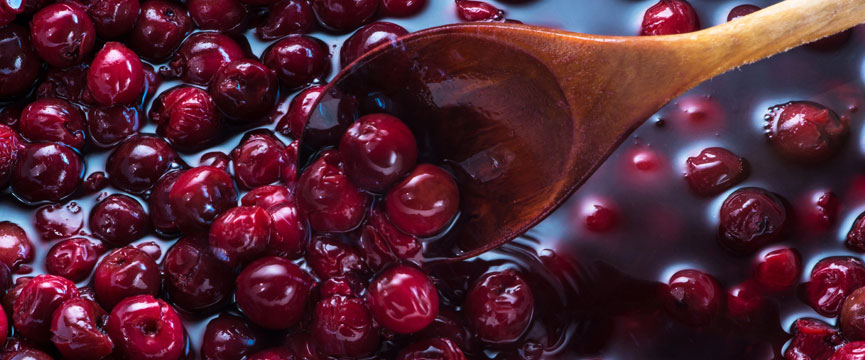
 As we know, the cherry is one of the most versatile and prized fruits in professional gastronomy and pastry making. Its intense flavor, vibrant color, and ability to pair well with both sweet and savory dishes make it a top-tier ingredient. However, not all cherries are the same, nor are they all suitable for the same purpose. The choice between fresh cherries and other types, such as cherry in syrup, can make a decisive difference in the final result of a dish.
At Lazaya, we’ve spent decades helping professionals in the restaurant, pastry, and hospitality industries choose the right product for every occasion. That’s why today we want to address one of the most common debates among chefs and pastry chefs when designing their menus cherry in syrup vs fresh cherry. Stay with us to find out when to use each one; what their real advantages are and in which preparations they shine the most.
Table of Contents
Cherry in syrup vs. fresh cherry: two products, two philosophies
Before getting into the specific uses of these two types of cherries, it is important to understand what really distinguishes these two products:
The natural cherry: seasonality and authenticity
Fresh cherries are a product with a short but intense season. In Spain, the main season runs from May to July, with varieties such as Picota del Jerte, Burlat, and Van, each with its own characteristic flavor profile, acidity, and firmness. It is a living product that requires refrigeration, careful handling, and prompt consumption.
Its greatest strength is its flavor. A fresh cherry at its peak ripeness has an aromatic complexity that no preservation process can fully replicate. The interplay between sweetness and acidity, the crisp texture of the flesh, and the intensity of its natural color make it a spectacular fruit when eaten raw or with minimal processing.
However, its limitations are also evident to any professional: seasonal availability, very short lifespan, variability between batches, and a cost that can skyrocket out of season.
Cherries in syrup: availability and consistency
Cherries in syrup are the result of cooking the fruit in a sugar syrup, which halts its natural deterioration and allows it to be preserved for months while maintaining its organoleptic characteristics. The production process, if done professionally, respects the size, color, and essence of the original fruit.
What a professional gains by working with preserved cherries is greater predictability; that is, they have the same product available year-round, with the same properties, at a stable cost, and without losses due to spoilage. Furthermore, the syrup in which the cherries are preserved is itself a usable ingredient, with a fruity flavor that integrates perfectly into sauces, reductions, or cocktails.
Professional uses of natural cherries
Fresh cherries truly shine when they take center stage and their raw texture is an integral part of the experience. Let’s explore the main uses of fresh cherries in the Horeca sector.
Seasonal desserts and fine pastries
In summer, fresh cherries take center stage in tarts, clafoutis, pavlovas, and fresh fruit platters. Their vibrant color and impeccable appearance mean they require no more preparation than a good wash and, in some cases, pitting. In haute patisserie, a selection of perfectly sized fresh cherries atop a cream tart instantly conveys freshness and quality.
Savory dishes
Fresh cherries are used in dishes where the fruit’s acidity contrasts with fatty proteins, such as foie gras, duck, Iberian pork, or aged cheeses. A light sauce of fresh cherries with a touch of balsamic vinegar or a mild cherry escabeche provides a freshness that is difficult to achieve with preserved cherries.
Cocktails and premium drinks
At the bar, fresh cherries, especially the firmer and more intensely flavored varieties, work very well as a top-notch garnish in signature cocktails, seasonal sangria, or gourmet non-alcoholic drinks.
Other uses
Fresh cherries are also commonly used in fruit salads, gourmet salads, or as a raw snack at hotel breakfast buffets during the summer season.
Advantages and disadvantages of natural cherries for the professional
The main advantage of fresh cherries is their firm texture and primary flavor, ideal for conveying a “garden-to-table” concept, providing a lively and refreshing acidity. However, they also have significant disadvantages that professionals must be aware of:
- Seasonality: Fresh cherries are only available for a few months a year, which makes it impossible to keep certain desserts on the menu continuously.
- Shrinkage and handling time: Pitting kilos of cherries by hand involves a very high cost in personnel hours, in addition to the loss of weight of the product (pit and stem).
- High water content: If you introduce a natural cherry into a cake batter or puff pastry, during baking it will release that water and soak the dough, ruining the structure and encouraging the appearance of mold in a few days.
Professional uses of cherries in syrup
Preserved cherries are the perfect ally for professionals who need consistent, high-performing, and year-round availability. Let’s see how professionals use this valuable ingredient.
Classic pastry and confectionery
Cherries in syrup are an undisputed classic in preparations such as Black Forest cake, fruit tarts, chocolate fillings, and ice cream, among other desserts. Its smooth texture and sweet, even flavor make it perfect for creating different layers of sponge cake, mousses, and creams. The topping syrup also prevents oxidation and adds shine to the final product.
Fillings, coulis and cooked sauces
With heat, the cherries in syrup release their juices in a controlled and predictable way, making it easy to prepare coulis, croissant fillings, or sauces for meats without any surprises in acidity or texture. The chef knows exactly what they will get, which is crucial in large-scale production.
Classic cocktails and permanent menu
Candied cherries are the key ingredient in the classic cherry cocktail. In any establishment that maintains a consistent drinks menu year-round, having canned cherries on hand is an operational necessity. Leftover liquid can be used in syrups, granitas, or as bases for non-alcoholic cocktails.
Ice creams, sorbets and semifreddos
In ice cream making, maraschino cherries offer a perfect balance of flavor, color, and freezing performance. Their already incorporated sugar content simplifies the calculation of overrun and freezing point, reducing variables and streamlining production. The cherry pieces don’t crystallize or turn into ice cubes, resulting in a very pleasant bite.
Advantages of cherries in syrup for the professional
- Availability and standardization: Professionals have the product available 365 days a year with the same size, color, sweetness level (Brix degrees), and texture. This allows for perfect standardization of all recipes.
- Zero waste and time savings: The cherries in syrup are ready to use, perfectly pitted and sized. This way, costs are optimized to the fullest.
- Thermostability: They are designed to withstand high oven temperatures without falling apart, without losing color and, most importantly, without releasing water that makes the dough sticky.
- Double use: Not only are cherries used; the preserving syrup is a liquid loaded with the flavor and aroma of the cherry that is often used to soak cakes, sweeten cocktails or create reductions and sauces.
Why professionals trust Lazaya
When we talk about cherry in syrup vs fresh cherry in a professional context, and especially in the Horeca sector, it must be said that both formats have their place. The key is having access to top-quality products in both formats.
Fresh cherries gain in authenticity, visual impact, and aromatic complexity when eaten raw, while preserved cherries gain in availability, consistency, yield, and versatility year-round. A professional who knows when to use each and works with trusted suppliers has a real competitive advantage, which is very important to surprise your customers with every dish or dessert.
In the case of Lazaya, we have our own cherry orchard, which is undoubtedly a very important advantage in raising the final quality of products such as cherries in syrup, candied cherries, Maraschino cherries, etc.
Our cherries are made with the best selected fruit from our plantation and with the possibility for the professional to choose different sizes, different brix levels (between 14 and 20), with or without pit, with or without stem, whole or in halves in a tin container.
Furthermore, the syrup is of exceptional quality, preserving the fruit’s color, pulp, and true flavor. It’s the same product with every order, ensuring no variations in texture or surprises between batches, and is ready for any recipe.
We invite you to explore our catalog of preserved cherries to choose the one that best suits your needs. As always, if you have any questions, please don’t hesitate to contact us.