(1 votes, average: 5.00 out of 5)
 Loading...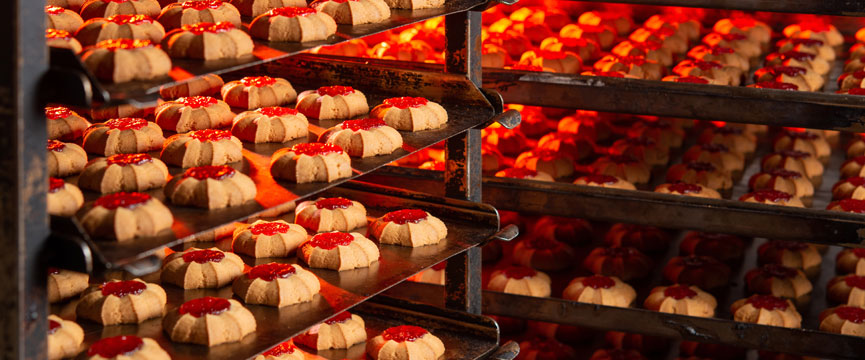
 For any pastry or catering professional, a thorough understanding of the differences between jelly fruits, jam and confitures is the foundation for each creation in order to have the texture, shine, and flavor the customer expects. A glaze that doesn’t set, a filling that makes the cake too soggy, or a cake that lacks the right amount of sweetness usually have the same cause: using the wrong product.
At Lazaya, we’ve been working closely with professionals for years, providing high-quality, ready-to-use ingredients for cooking and baking. That’s why, in this post, we’ll take a detailed and practical look at the differences between these three fruit varieties and when to use each one to stand out from the competition.
Table of Contents
What are the differences between jelly fruits, jam, and confitures?
Although many use these three words interchangeably, in the professional sector each refers to a distinct production process, with its own specific ratio of fruit, sugar, and gelling agent. Understanding these differences allows professionals to make informed choices based on their desired final result, such as transparency, visible pieces of fruit, a creamy texture, or a glossy finish for decoration.
Each one offers a completely different texture, level of sweetness, resistance to baking, and visual appearance. These variations are mainly due to the part of the fruit used (juice, whole pulp, or purée), the sugar concentration (Brix degrees), and the cooking process.
To help professionals make the best decisions when formulating recipes and stocking their workshops, we will analyze in detail the characteristics of each of these preparations.
What is jelly fruit?
Jelly fruit is obtained from the juice of the fruit, without pulp or pieces, which is then cooked with sugar and set thanks to the fruit’s natural pectin or added gelling agents. The result is a translucent mass, firm when cut but elastic, and which holds the shape of the mold into which it is poured. It is the ideal option when transparency and a clean finish are desired, without any pulp residue that could interfere with the final texture.
What is fruit jam?
Fruit jam is made with chopped or pureed fruit (including the pulp) cooked with sugar until it reaches a spreadable consistency, but without becoming as firm as jam. It retains visible pieces or remnants of fruit and usually has a more liquid and spreadable texture, perfect for spreading or incorporating into doughs and fillings where moisture is desired.
What is confiture?
Confiture, technically speaking, is a preparation with a higher proportion of whole fruit or large pieces of fruit relative to sugar. It is cooked slowly for a longer time so that the fruit retains its shape and texture within a thick syrup. It is the closest to the flavor of fresh fruit and is used when recognizable pieces of fruit are desired in the final product.
Professional uses: when to use each preparation
Knowing how to identify each product is only the first step; the real value lies in applying it correctly in each recipe to achieve a professional result. Let’s see how to use each of these ingredients:
Jelly fruit: transparency, firmness and protection
Jelly fruit is made exclusively from filtered fruit juice (without pulp, skin, or seeds), which is cooked with sugar and gelling agents (such as pectin or fish glue/agar-agar in specific preparations).
The result is a firm, completely translucent, and glossy product. It doesn’t aim to impart the fruit’s fleshiness, but rather its pure essence, its aroma, and a balanced sweetness, while also fulfilling a vital protective technical function in the workshop.
Professional uses:
- Glazing cakes: This is perhaps its main use. Brushing fresh fruit tarts with jelly prevents oxidation, extends their shelf life in the display case, and gives them a spectacular, mirror-like shine.
- High-end pastry decoration: It can be cut into perfect cubes to decorate plated desserts, providing a contrast of textures (firmness versus the creaminess of a mousse).
- Interiors with clean textures: for desserts that require a layer of fruit that does not visually obscure the whole.
- Other uses: To give a glossy sheen to fresh fruit on a cake, to create fruit mirrors, or to prepare layered desserts where a firm, translucent texture is needed. It is also common in petit fours, filled chocolates and desserts in the display case, where the visual aspect is as important as the taste.
Jam: the versatile classic for fillings and doughs
Jam is the most well-known and widely used preserved fruit. It is made by cooking whole, chopped, or pureed fruit with sugar and, sometimes, pectin to aid in gelling. According to regulations, it must contain a minimum amount of fruit (generally around 30%).
In a professional setting, jam stands out for its texture. Containing pieces or crushed fruit pulp, it offers a rustic feel and a very authentic flavor. It’s ideal for formulations where the goal is for the customer to visually and gustatorily perceive the real fruit.
Professional uses:
- Oven-safe fillings: Thanks to their heat-resistant (bake-proof) versions, these jams are perfect for injecting into croissants, pastries, donuts, or cookies before baking without boiling or running. They are also ideal for spreading on breakfasts and afternoon snacks in the hospitality industry. Their more fluid texture makes them easy to use with piping bags and to incorporate into doughs without disrupting the structure of the baked product.
- Cakes and muffins: to create liquid or semi-liquid hearts in sponge doughs.
- Sauces and accompaniments: Slightly diluted, it is excellent for saucing plated desserts or accompanying cheese boards in catering.
Confiture: greater prominence of the fruit
Confiture represents a different level in terms of texture and concentration. Unlike marmalade, it is made from fruit puree or highly refined pulp cooked with a higher proportion of sugar, resulting in a thick syrup where all the flavors blend together beautifully. The fruit content is usually higher (a minimum of 35%, reaching very high percentages in the premium categories).
Confiture has a much smoother, creamier, and shinier texture than marmalade, without any noticeable chunks to interrupt the bite. This makes it a favorite ingredient in fine pastry making.
Recommended professional uses:
- Chocolate and macaron fillings: Its smooth texture and intense flavor (due to having less water and higher concentration) make it perfect for pastry bags and fine nozzles.
- Internal layers on cakes: It is ideal for creating thin layers of fruit between mousses and sponges (inserts) thanks to its clean cut.
- Toppings and glazes: Its natural shine gives cakes an elegant finish, working perfectly as a base for coating pastries.
- Other uses: for making artisanal cakes, cheese accompaniments, gourmet dessert bases or toppings with their own identity.
Comparative table: differences between jelly fruit, jam and confiture
| Feature | Jelly fruit | Jam | Confiture |
| Fruit shape | Juice only, no pulp | Crushed or chopped pulp | Whole or large pieces |
| Texture | Firm, elastic, transparent | Unctuous, semi-liquid | Thick, full-bodied, and chunky |
| Fruit ratio | Low (juice only) | Medium-high | High |
| Main use | Glazes, mirrors, decoration | Fillings, spreads, doughs | Coverage, premium accompaniments |
| Visual appearance | Bright and transparent | Homogeneous, without large visible pieces | Recognizable pieces of fruit |
| Typical application | Fine pastries, display case confectionery | Pastries, breakfasts, hospitality | Gourmet desserts, pairings with cheeses |
Why choose Lazaya products for your recipes?
At Lazaya we select high-quality fruit to offer professionals a complete range of jellies, gels and jams designed for use in cooking and pastry making, with the consistency and performance required for daily work in a professional workshop or kitchen.
Working with a specialized supplier saves preparation time, guarantees consistent results in every production, and offers customers that extra touch that makes the difference between a good dessert and a memorable one.
To know the differences between jelly fruit, jam and confiture offers a very important competitive advantage, as it allows you to choose the exact product for each preparation, optimize time and costs, and surprise the end customer with professional and consistent results.
Discover our complete catalog of jellies, gels and jams for professionals and find the perfect ingredient for your next creation that will leave your customers speechless. Contact us!.