(1 votes, average: 5.00 out of 5)
 Loading...
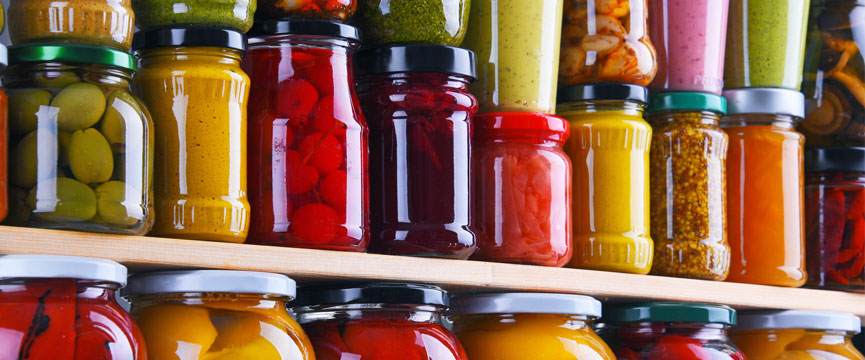
 Fruits in syrup are used continuously in hotels, restaurants, pastry shops, ice cream parlors, catering services and professional workshops, especially because of their availability throughout the year, their color, flavor, juiciness and attractive presentation for numerous preparations.
However, to fully appreciate its qualities, it’s essential to understand best practices for storage, handling, and preservation. Proper management helps maintain product quality, reduce waste, and offer the end customer an excellent dining experience.
Stay with us if you want to learn a little more about preserving fruit in syrup from receiving the order to its use in professional recipes.
Table of Contents
Preserving fruit in syrup: how to store it before opening the container
Properly packaged and processed fruits in syrup can be stored for extended periods as long as the packaging remains intact and the manufacturer’s instructions are followed. Therefore, proper storage should be part of the establishment’s standard procedures. Let’s look at the practices every professional should know to correctly store fruits in syrup:
Check the packaging before opening it
The container must be checked to ensure it is intact, without leaks, bulging, significant corrosion, or damage that could compromise its airtight seal. Pay particular attention to the lids, edges, and seams of the cans.
If you work with cans, immediately reject any that have deep dents in the seams, signs of external corrosion, or, more critically, bulging (swelling of the lid or bottom, an unmistakable symptom of bacterial activity).
On glass jars, check that the safety button on the cap is depressed and that it doesn’t make a hollow sound or bubble when pressed. This preliminary check allows you to detect potential problems and work with greater confidence.
If any anomaly is detected, do not use the product or attempt to test its safety. Remove the packaging and follow the procedure established in your food safety monitoring system.
Keep the containers in a cool, dry and protected place
Upon receiving an order, products should always be stored in a clean, dry, and well-ventilated area, protected from direct sunlight and sudden temperature changes. They should be kept away from heat sources, damp areas, or places where they may be damaged by impact.
Although sealed canned goods generally do not require refrigeration, specific label instructions should always be followed. These instructions take precedence over any general recommendations.
A common mistake in some bakeries is storing containers directly on the floor or near ovens, stoves, or refrigeration units. It is essential to use appropriate shelving that allows for proper air circulation and maintains a stable ambient temperature, ideally between 15°C and 22°C.
Check the appearance, aroma, and texture
Once the package is opened, it is important to observe the fruit and the syrup. The product should exhibit the characteristics typical of its variety and show no abnormal signs, such as mold, unexpected foaming, unpleasant odors, or changes in color and texture that are not characteristic of the product.
It’s also important to check that the fruit retains a suitable consistency for the intended use. A piece that holds its shape well can be especially useful for decorating a cake or plating an individual dessert.
These sensory checks do not replace manufacturer warranties or food safety controls. If you have any reasonable doubt about the product’s condition, the best course of action is not to use it.
Organize stock and monitor dates
In professional kitchens and workshops with a high volume of work, proper storage organization is essential. Therefore, best before dates should be checked and a rotation system such as FEFO (First Expired, First Out) should be implemented. First Expired, First Out); that is, use first the products whose best before date is closest, provided that the packaging is in good condition.
This system facilitates the planning of production, avoids unnecessary accumulations and helps to reduce waste.
Prepare a hygienic work area
Before handling fruit, it is essential to wash your hands and ensure that surfaces and utensils are clean. Use appropriate spoons, tongs, or spatulas to remove the fruit and avoid putting dirty utensils into the container.
In a bakery, where creams, doughs, toppings and other ingredients are worked on simultaneously, keeping utensils separate and controlling possible cross-contamination is especially important.
Preserving fruit in syrup once the container has been opened
What happens once the package is opened? This is a critical point for kitchen and pastry teams. Unlike vacuum-sealed preserves, once the airtight seal is broken, the fruit is exposed to air and potential microbiological contamination.
For this reason, if all the content is not going to be used at the moment, leftover fruit should never be left inside an open metal can. This is because prolonged contact with oxygen can oxidize the metal and impart unwanted metallic flavors to the preserve.
The expert recommendation is to transfer the remaining product, along with its syrup, to a clean, airtight glass, ceramic, or food-grade plastic container and immediately store it in a refrigerator at temperatures between 2 and 4 °C. It is also advisable to ensure that the fruit remains completely submerged in the liquid to prevent the top layer from drying out, oxidizing, or fermenting. The following organoleptic analysis should be considered once the container is opened:
- Visual inspection: The syrup must maintain its characteristic clarity (it may have greater or lesser density depending on the variety, but it must be free of abnormal turbidity) and the fruit must retain its original shape, vivid color and total absence of mold or strange spots.
- Olfactory evaluation: The aroma should be clean, sweet, and characteristic of the fresh fruit of origin. Any vinegary, fermented, or strangely pungent odor is sufficient reason to discard the entire batch.
- Texture test: When touched or cut, the fruit should offer the appropriate consistency according to its type: neither too hard (due to insufficient ripening) nor mushy, pasty or excessively soft.
Properly refrigerate leftover fruit
It is important to use only the amount needed for each recipe and then store any leftover product as soon as possible, following the manufacturer’s instructions. If refrigeration is required after opening, it should be kept refrigerated.
The professional must identify the container with the opening date and, where applicable, with the expiry date set according to the manufacturer’s instructions and the establishment’s self-monitoring system.
There is no universally applicable expiration date for all canned fruit: the shelf life after opening depends on the product’s characteristics and handling conditions. It is essential to always follow the specific label instructions and not extend its use simply because it still looks good.
Monitor the fruit during service
In hotels, buffets and catering services it is advisable to prepare quantities adjusted to demand and replenish them when necessary, instead of displaying the entire available quantity for extended periods.
The storage conditions established in the food safety plan must be strictly followed, and clean serving utensils must be used. Fruit that has been in the serving area should not be returned to its original container, and remnants of a previous preparation should not be mixed with a new one.
These measures help preserve product quality and improve work organization, especially during peak service times.
How to make the most of canned fruit in syrup in the hospitality and bakery industry?
With proper management, fruits in syrup become a practical resource for creating attractive preparations and maintaining consistent quality.
In pastry and confectionery, cherries, apples, or oranges can add color and flavor to cakes, sponge cakes, semifreddos, and individual desserts. In ice cream parlors, they enhance sundaes and flavor combinations. In restaurants and hotels, they work very well in fruit salads, breakfasts, yogurts, buffet desserts, and special presentations.
The key is to choose the appropriate variety and format for each application, plan the quantities, and maintain storage and handling routines consistent with the professional use of the product.
Lazaya Fruits in Syrup: Quality and Versatility for Your Recipes
In the Horeca channel, having versatile ingredients available simplifies daily tasks and allows professionals to dedicate more time to creativity, provided the preservation of fruits in syrup is respected. Choosing a supplier specializing in fruits in syrup is an important step for any business seeking consistent results.
The excellence of a great dessert or a memorable cocktail depends not only on the pastry chef’s or bartender’s technique, but also on the authenticity and superior quality of its base ingredients. Incorporating Lazaya’s fruits in syrup in your daily preparations, it’s about opting for a genuine flavor that enhances any creation, from classic pastry making to cutting-edge haute cuisine.
At Lazaya you will find a wide range of fruits in syrup, with varieties such as cherries, apples, oranges, strawberries, kiwis and blackberries for different applications in pastry, catering and hospitality.
If you want to surprise your customers with standout dishes, choose the best ingredients. At Lazaya, we’ve spent over 80 years understanding what professionals look for in every order. Contact us with any questions or inquiries. We’d love to help!