(1 votes, average: 5.00 out of 5)
 Loading...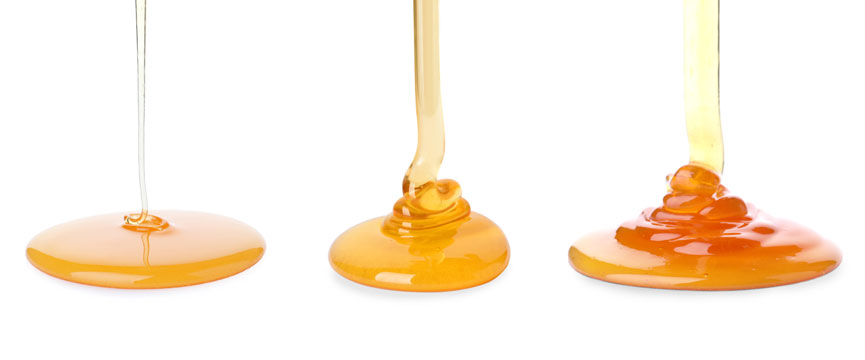
 As we all know, in professional cooking and pastry making, every detail counts. The texture, shine, sweetness, and juiciness of a dish can depend on a factor that might otherwise go unnoticed: the type of syrup in which the fruit is preserved. Using cherries in light syrup for a fruit salad is not the same as using a thick syrup to glaze a high-end pastry. Professionals know how important it is to understand the differences between light syrup, medium and heavy to develop products that stand out from the competition.
At Lazaya we work hand in hand with professionals in the Horeca sector to offer them fruit in syrup of the highest quality, selected at their peak ripeness and preserved in the most suitable type of syrup for each variety and use. In this post, we’ll explain everything you need to know about the three types of syrup and how to get the most out of them in your creations.
Table of Contents
What defines each type of syrup? Brix level and consistency
The key to differentiating between types of syrup lies in their sugar concentration, measured in degrees Brix (°Bx). The higher the Brix value of a syrup, the denser and sweeter it is. This scale is the starting point for better understanding which syrup you’re choosing.
- Light syrup: Between 14 and 17 °Bx approximately. Low sugar content, very fluid texture and mild flavor.
- Medium syrup: Between 18 and 22 °Bx. Balance between sweetness and lightness and very versatile.
- Thick syrup: Starting at 22 °Bx. High sugar concentration, thick texture and intensely sweet taste.
Besides sugar concentration, the three types differ in viscosity, the level of fruit absorption, and their behavior during cooking or plating, which directly determines which preparations are most suitable for using them. Let’s look at each of them in more detail.
Light, medium and heavy syrups: specific uses in the Horeca sector
Light syrup: freshness and naturalness for your dishes
Light syrup is the ideal ally when the fruit itself should be the star. With its reduced sugar concentration, it preserves the fruit’s natural flavor without masking it, resulting in a fresher, less cloying taste. Its texture is very fluid, visually similar to water, and its sweetness is very subtle. The main purpose of this syrup is not to over-sweeten the fruit, but to preserve it, maintaining its natural flavor, original acidity, and freshness.
Main uses of light syrup in cooking and pastry making:
- Salads with fruits and fruit salads: The low density of the syrup allows the fruit to maintain its firm texture and original flavor, without the syrup overpowering the other flavors. It is the ideal product for busy hotel breakfast buffets. The fruit retains its vibrant color and refreshing taste without being cloying, right from the start of the morning.
- Cocktails, mocktails y gourmet drinks: Fruit in light syrup blends elegantly into signature glasses without altering the aromatic profile of the drinks or disrupting the complex sugar balance. Cherries or orange slices in light syrup are perfect for garnishing the glass and adding aroma without modifying the flavor of the base liqueur.
- Side dishes for savory dishes: The trend of combining fruit with meat or fish requires a syrup that doesn’t provide excessive sweetness. In this case, light syrup is indispensable.
- Light desserts and gourmet yogurts: It’s ideal for healthy options on restaurant menus or breakfast buffets. Using fruit preserved in this liquid allows you to offer delicious, healthy desserts without excess calories.
Medium syrup: the perfect wildcard used by professionals
If there’s one type of syrup that’s essential in any professional kitchen, it’s medium syrup. Its balanced concentration makes it the most widely used of the three, as it can be adapted to a huge variety of preparations without compromising either sweetness or texture. We could say it’s the “all-rounder” of preserves in syrup.
It offers an ideal balance: it is sweet enough to enhance the natural flavor of the fruit and prolong its preservation, but not so thick as to be heavy in the mouth.
Main uses in cooking and pastry making:
- Pie and cake fillings: Fruit in medium syrup adds juiciness without creating excess liquid, ensuring the filling maintains its structure. Apples, cherries, or strawberries soaked in this syrup are ideal for filling puff pastries, classic tarts, or sweet dumplings.
- Sponge cakes and Swiss roll: The leftover liquid from the preserves is a true treasure for bakers, as it allows them to soak layers of sponge cake with a moist and flavorful texture, perfect for cakes like San Marcos, Black Forest, or Swiss rolls. Besides providing moisture, it imparts a fruity flavor that enhances the quality of the dessert and extends its shelf life.
- Bases for sauces and coulis: The medium syrup can be easily reduced, therefore, it is an excellent base to blend together with fruit to make sauces to accompany game meats (such as duck breast with cherries or pork with orange) or to coat ice creams and pannacottas.
- Restaurant desserts and daily menu: The versatility of medium syrup makes it ideal for creating consistent, cost-effective, and visually appealing desserts very quickly.
Thick syrup: power, shine and spectacular results
Thick syrup is preferred by discerning pastry chefs when they seek high-impact visual and sensory results. Its thick, syrupy, unctuous texture and intense, deep sweetness make it an ingredient with an exceptional finish. Furthermore, it acts as a powerful natural preservative thanks to the osmosis process, giving the fruit a firmer, fleshier, and more crystallized texture.
Main uses in cooking and pastry making:
- Cake icings and finishes: Thick syrup, brushed onto a cake or pastry, provides that professional shine that makes all the difference in the shop window. It’s also used on fine pastries and Danish doughs, giving that coveted “mirror effect” finish that catches the eye in bakery displays.
- Candied fruits and decorations: The high sugar concentration gives the fruit a glossy appearance, perfect for decorating sweet hors d’oeuvres or display cases. Maraschino cherries are a prime example, with their shiny, firm, and spectacular look, ideal for elegantly crowning the most luxurious creations, such as wedding and celebratory cakes.
- Artisanal ice cream shop: Here, thick syrup is commonly used in the formulation of ice creams and sorbets. The high sugar concentration lowers the freezing point of the mixture, thus preventing the formation of ice crystals and ensuring a much creamier ice cream.
- High-density sauces and coulis: A reduction of thick syrup with fruit creates a visually irresistible topping and is often used to accompany ice cream, pannacottas, or cheesecakes.
- Preservation and maceration: The thick syrup acts as a more powerful natural preservative, ideal for preparations that require a longer shelf life without losing organoleptic quality.
Choose the right fruit in syrup and take your creations to the next level
Understanding the differences between light, medium, and heavy syrups isn’t just a technical matter; it’s also a strategic decision that directly impacts the final quality of dishes and desserts, customer satisfaction, and business profitability. A well-chosen preserved fruit saves preparation time, ensures consistent results, and allows professionals to work with products of consistent quality year-round, regardless of the season.
Not all establishments have the same needs. Choosing the right type of syrup depends on several factors:
According to the type of establishment
- Hotels and buffets: They usually prioritize light syrup to offer fresher options.
- Pastry shops and bakeries: They mainly use medium and thick syrup.
- Restaurants: They combine the three according to the chef’s creativity.
- Catering and events: They seek versatility and stability, usually with medium syrup.
According to the type of preparation
- Fresh preparations → Light syrup.
- Fillings and bases → Medium syrup.
- Decoration and finishing → Thick syrup.
Lazaya: your supplier of light, medium and heavy syrup
At Lazaya Preserved Fruit we know that the difference between a light, medium, and thick syrup can transform a good dessert into an extraordinary one. That’s why we offer a wide range of preserved fruits in various types of syrup, specifically designed for professionals in the restaurant, pastry, and catering industries. We have cherries, apples, oranges, kiwis, blackberries, and strawberries with different Brix levels, sizes, and cuts to meet the needs of even the most demanding professionals.
If you’re a professional in the hospitality industry looking for a reliable supplier to help you optimize your dishes and impress your customers, Lazaya could be your best partner. With over 85 years of experience, we’re a benchmark for thousands of chefs and pastry chefs. Visit our online store and explore our full range of preserved fruits. If you have any questions, please don’t hesitate to contact us.